Document the chain
Every recommendation should make the route from application requirement to final certificate understandable.
About Balluff
Balluff serves operations that cannot treat sensing as a disposable line item. A sensor package has to fit the machine, speak to the controller, survive the environment, arrive on time, and leave behind documentation that quality teams can use. The company approach is intentionally lean: define the task, confirm the electrical and mechanical interface, check the evidence requirements, then keep the quote tied to those facts.
In industrial sensing, broad promises are rarely useful. A maintenance manager needs the right replacement before the line restarts. A controls engineer needs device files, connection details, and stable parameters. A quality manager needs certificates and a defensible chain of evidence. Balluff keeps those needs connected by treating each request as a small technical record rather than a loose conversation.
Shorter selection loops are only valuable when the final part still survives audit review.
The catalog focus on Sensors & Transmitters and Process Instrumentation (Pressure / Flow / Level / Temperature) allows the support process to stay direct. Teams can discuss IO-Link diagnostics, inductive sensing distance, photoelectric alignment, hydraulic pressure monitoring, tank level signaling, or flow confirmation without being routed through unrelated product lines. The result is a quieter site experience, fewer decorative claims, and more space for the details that decide whether a sensor works in the real installation.
Every recommendation should make the route from application requirement to final certificate understandable.
Alternates are useful only when differences in output, housing, range, approval, and lead time are visible.
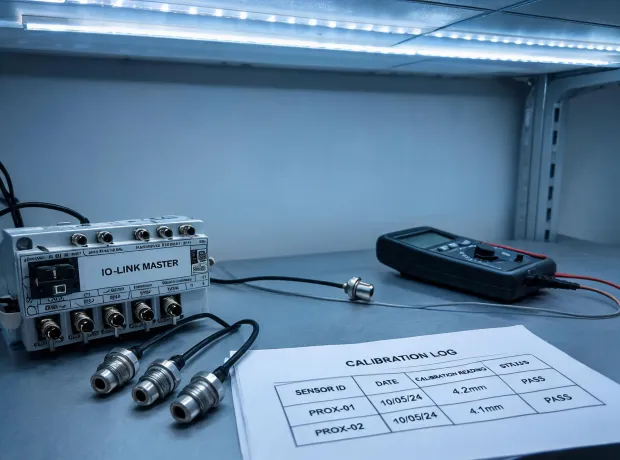
Replacement mapping and calibration planning are handled before small sensing gaps become production stoppages.
Reliable sensing supports safer plants, cleaner automation data, and fewer emergency replacements. When a facility can identify exactly which sensor is installed, which protocol it uses, how it was calibrated, and when it should be checked again, technicians spend less time guessing and more time improving the process. That kind of everyday discipline is not dramatic, but it is what keeps equipment useful for years instead of months.
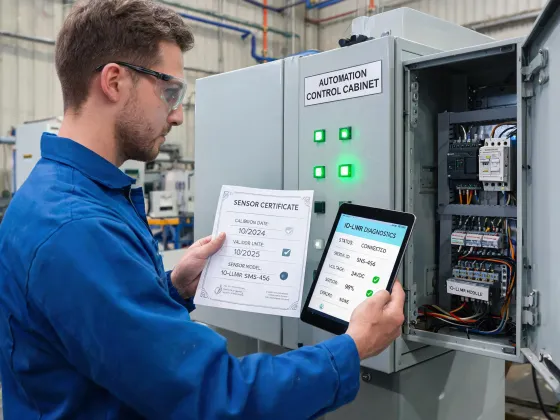
Share the sensing task and the audit expectation. We will help turn the requirement into a practical catalog path.